Alert
Unfortunately, we are not able to proceed with your registration if you do not have the power to enter your company into a legally binding agreement with Niagara Peninsula Energy.
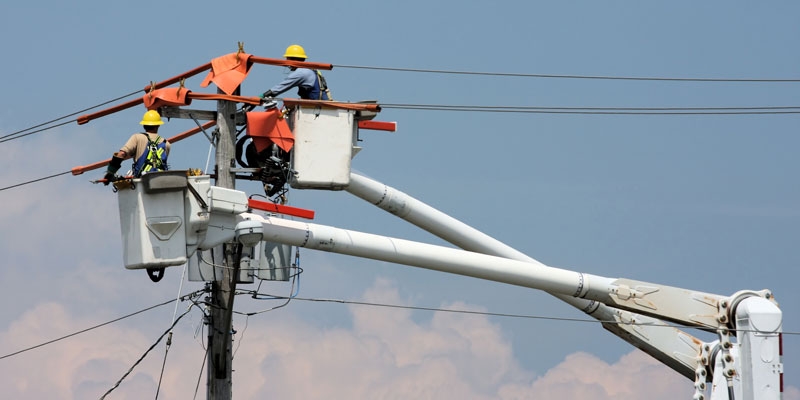
The NPEI Capital Budget continues to follow a total spend format focused on projects driven from established programs to prioritize NPEI resources in an efficient and beneficial manor to our Customers. These programs of Pole Testing & Inspections, Pad-mounted Equipment Inspections, Sub-station Maintenance & Inspections, Manhole & Sidewalk Vault Inspections and Kiosk Inspections along with monitoring of reliability statistics and outage causes, drive the prioritization of Rebuild, Reinforcement, Voltage Conversion and Minor System Betterments projects. Customer growth needs drive Subdivision Connections, and Demand Based System Expansions for Commercial Development.
This capital program manages an allowance for the construction and upgrade of the distribution system to facilitate system access for new connections. System expansions and reinforcement costs are included within this budget allowance.
This capital program allowance is for the relocation/construction of distribution facilities to resolve conflicts with planned road works by local road authorities as per NPEI obligations under the Public Service Works on Highway Act (PSWH). This Act requires utilities to relocate their plant and share the financial burden with the requesting authority. The most common Cost Sharing agreement is the Road Authority assumes 50% of the Labour and labour savings devices with the utility assuming the remainder of the cost including 100% of the material cost.
This capital program covers the cost of installing and replacing metering equipment and facilities on the distribution system.
This capital program covers the cost of annual sampling programs that are performed to extend the seal life of the meter population.
This capital program manages the installation and connection of new residential services within new and on-going residential developments.
This capital program manages the installation and connection of new residential developments such as subdivisions.
This capital project upgrades and extends the existing 27.6kV feeder (2508M2) from Fly Rd. South on Speice Rd to Yonge Rd. then West along Yonge Rd. to Cosby. Single phase 4.8kV primary along Speice Rd. will have the transformers and services converted to the new 27.6kV circuit. The expansion will allow for improved interconnection on the 27.6kV system and replace end of life 8.32kV infrastructure from the late 1960's. The project consists of 75 new poles and 4km of new 3PH 27.6kV line.
The project scope involves the rebuild of the overhead distribution for the subdivision built in the 1960’s. Rebuild in place using tree wire and 29 ‐ 40’ wood poles. Two end of life transformers will be replaced, with the remaining transformers being reused. The existing open secondary bus will be replaced with new spun bus per NPEI’s current standards.
Prior to the advent of pad-mounted Transformer & Switchgear Equipment, loads that were too large for pole mounted equipment, or areas serviced from underground primary distribution systems, were supplied by masonry enclosures housing high voltage transformation, switching & protection apparatus, and secondary distribution equipment, known as the Kiosk. These block structures were meant to provide Public Safety but over time, the structures deteriorate and warrant replacement. These are prioritized utilizing the results of a 5-year Conditional Assessment Survey last completed in 2023.
This capital program is an integral part of the remediation of underground distribution systems, increasing longevity and reliability within the area serviced. As these legacy components are replaced, safety, reliability and service quality are significantly improved. For 2026 the plan is to replace approximately 3 units.
This capital project invloves upgrading a single phase pole line along Lundy's Lane between Garner Road and Thorold Townline Road to 3 phase. This conversion will involved replacement of existing wooden and concrete poles with new composite poles along with the upgrading of existing overhead primary wires. Total circuit length is 2.5km.
The project scope involves the rebuild of the overhead distribution for the area built in the 1960’s. Rebuild in place with new conductor and 30 ‐ 40’ wood poles. 8 end of life transformers will be replaced, with the remaining transformers being reused. The existing secondary services will be reused where feasible or replaced with new per NPEI’s current standards.
This capital program manages an allowance for the replacement or refurbishment of padmounted equipment that has been identified through the padmount equipment inspections or other means as being at end of life. In the past, this equipment has been changed under various other projects. Creating this new program will enable better tracking of both the quantity of equipment changed and the associated costs. For 2026 the plan is to replace 14 units.
The natural degradation of wooden utility poles is an ongoing issue. NPEI performs a site visit of every distribution pole on the System as per OEB requirements (3 yrs./urban, 6 yrs./rural), with a total population of over 25,000. Poles are tested for their integrity and a visual inspection is performed of the equipment installed on the pole by qualified Linesmen. The pole is imaged, guy guards are installed & down grounds are repaired/replaced as required and the inspection results and images are stored within the Geographical Information System (GIS). An evaluation of the results is performed, with deficiencies addressed by the replacement of deficient poles, in a timely manner, through this Capital Program. The average cost per pole change is approximately $ 15,000. For 2026 the plan is to replace 50 poles.
This capital program manages an allowance for the replacement of pole mount transformers that have been identified through the overhead equipment inspections or other means as being at end of life. In the past, these transformers have been changed under various other projects. Creating this new program will enable better tracking of both the quantity of transformers changed and the associated costs. For 2026 the plan is to replace 15 units.
This capital program manages the replacement of direct buried primary & secondary conductors supplying residential services. This plant dates back to the 1950's and is unable to accommodate today's electrical demands such as EVs and electric heating systems. This program facilitates the upgrade of these systems to accommodate today's loading requirements. These upgrades include both transformation as well as cabling upgrades. Locations requiring upgrading are driven by customer demand.
The Underground Equipment Inspection Program has identified a requirement for replacement of air insulated pad-mounted switchgear units, with dead-front stainless steel enclosure SF-6 Gas Insulated Equipment, due to corrosion and contamination issues. Project scope involves the installation of applicable civil works such as manholes and duct- banks associated with the equipment replacement to current standards and installation of new switchgear constructed of Stainless Steel to avoid corrosion issues. Increased system reliability, Public & Personnel safety, and functionality are benefits of the program.
This capital program manages an allowance for minor projects initiated by unexpected failures or identified deficiencies of overhead and underground distribution facilities. Replacement of underground cable experiencing repeated failures is a major contributor covered by this allowance. Minor overhead system modifications and component replacements to improve system reliability and performance are also completed under this program.
Transfer of distribution system facilities installed by third parties under new residential development projects.
This capital project captures the lot rebates paid annually to subdivision developers as reimbursement for development servicing costs based on the number of lots connected in the previous year. Lot rebates are paid annually based on the number of lots connected up to a maximum of 5 years following subdivision energization.
Grid Resiliency and Modernization Enhancement Project in conjunction with Natural Resources Canada’s, Smart Renewables and Electrification Pathways Program to install 25 automated reslosers interconnected to the SCADA system for remote operation in 2026. These reclosers replace exisiting manual ganged load break switches ore create new mid feeder tie points. This project is for the replacement of existing poles with new 60' poles required for the installation of the relosers. The recloser installation is included in a seperate Smart Grid project. (1955)